of U.S. adults ages 18–29 experienced loneliness a lot of the previous day in Gallup’s Q2 2025 data.
Gallup · 2025 ↗THE BIGGER INVITATION
You’re invited
to invest.
Our bet: the next great social product won’t ask people to scroll longer. It will give them a reason to show up.
Interaction Club turns interests and availability into personal invitations, small groups, and real-life plans. Brands can help make those experiences happen.
LESS SCROLLINGMORE SHOWING UPA SECOND HANGOUT
A VERY REAL PROBLEM
Connected online.
Missing each other offline.
minutes per day spent in person with friends among U.S. ages 15–24, from 2003 to 2020.
U.S. Surgeon General’s advisory · 2023 ↗people worldwide affected by loneliness, according to the WHO Commission on Social Connection.
WHO · June 2025 ↗of young adults in Eventbrite’s study were interested in bringing their online interests into in-person events.
Eventbrite · 2025 ↗WHY NOW
Connection is getting a new playbook.
Introductions, not endless profiles.
Hinge founder Justin McLeod’s Overtone announced $18 million raised in July 2026 for a curated matchmaking service.
Overtone announcement ↗Friendship becomes a category.
Bumble acquired Geneva to expand friendship from one-to-one connections into groups, communities, and meeting offline.
Bumble announcement · 2024 ↗A shared experience beats a feed.
Interest-led gatherings make the first conversation easier to start. Our focus is friendship and community, with the plan built into the invitation.
Our product philosophy ↗A PRODUCT YOU CAN OPEN
Not “find an event.”
“We want you there.”
- Get an invitation.
A personal introduction from someone you know.
- Tell us about you.
Interests and social style, alongside availability and budget.
- Accept an actual plan.
A group, date, place, and cost that fit.
- Meet again.
Private feedback and follow-through. The second hangout is the outcome that matters.
- Personalized invitations
- Personality quiz
- Rule-based group suggestions
- RSVP & check-in
- Before / after feedback
WHO PAYS?
Free to find your people.
Paid to bring communities together.
The buyer.
Community, developer-relations, and brand teams that want relevant, opt-in conversations with people—not another anonymous impression.
The offer.
Curated invitations, a thoughtful gathering, and follow-through. A scoped service fee, with food and production costs separated.
The repeat.
The planned revenue engine is recurring community programs. One useful gathering should create a reason for the sponsor and guests to return.
HOW THIS GETS BIGGER
Local hosts.
A repeatable invitation engine.
Start with founder-led gatherings. Turn what works into repeatable formats and host playbooks. Software handles matching, invitations, attendance, and follow-through so each new community doesn’t start from scratch.
Community loop.
Good introductions → another hangout → voluntary referrals → more relevant groups.
Business loop.
Relevant experience → useful conversations → measured follow-through → a recurring program.
Product leverage.
Reusable workflows and local hosts let the founder move from arranging every table to building the system behind them.
Inside the deck’s scale illustration
The deck models 1,000 business customers × two $500 programs a month × 12 months = $12 million in annual service-fee revenue. This is an illustrative scenario, not current revenue or a forecast. Delivery costs and actual pricing determine margins; the model is not a promise of profitability.
COMMUNITY IS ALREADY A BUSINESS PRIORITY
Companies are showing up
in real life, too.
Claude communities
Anthropic supports a global community program with local gatherings.
Claude community ↗Outside organizers
Lovable supports community-organized hackathons, buildathons, and workshops. Hosts bring their audience and handle the event.
Lovable community events ↗180+ cities
Atlassian supports free, user-led meetups around the world.
Atlassian community ↗Industry examples, not Interaction Club customers or partnerships.
WHY A COMPANY BUYS
An organizer can run the event.
A community gives people a reason to come.
The initial buyer is a community, marketing, or developer-relations team. Interaction Club’s proposed advantage is combining a relevant, opt-in audience with a hosted experience and measurable follow-through. It can complement an internal coordinator rather than replace the role.
We begin with founder-led gatherings to test that proposition. The growth plan depends on repeat sponsor purchases and hosts who can deliver the experience beyond Vivian’s own attendance. A trusted community, reusable workflows, and consistent delivery are the intended sources of leverage.
What we will measure: attendance, relevant product engagement or feedback, consented follow-up, sponsor reorders, and delivery cost per gathering.
WHY VIVIAN
Someone who actually
shows up.
Community experience.
A product to build on.
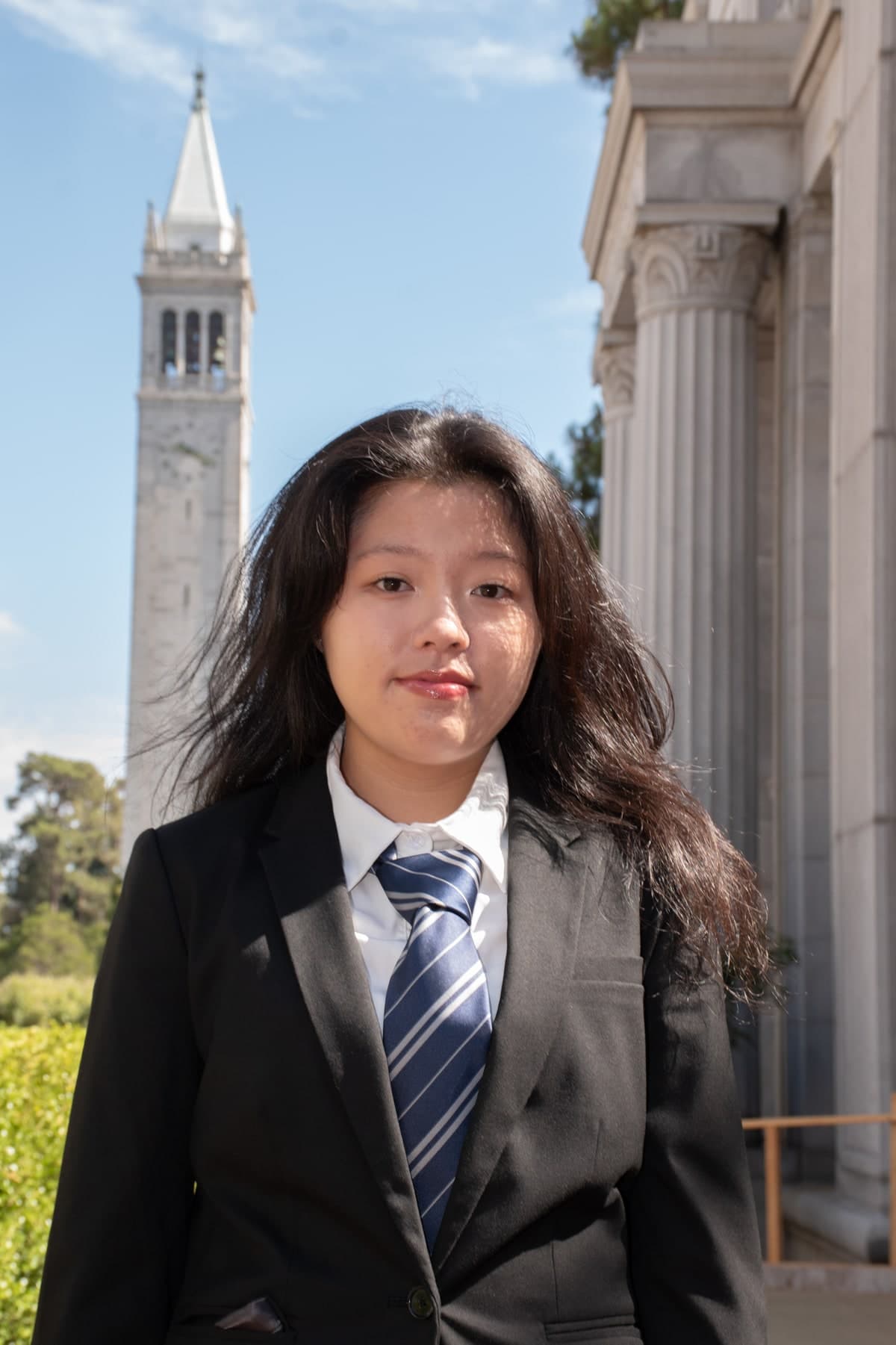
Vivian is a UC Berkeley mechanical engineering student and product builder. She has launched Walkie Talkie on campus through tabling, partnerships, and social campaigns, and participates in San Francisco’s event scene.
She’s building Interaction Club’s personal invitations and matching workflow to make meeting people feel more intentional.
The first gatherings are founder-led. The longer-term plan pairs repeatable formats with local hosts, supported by software for invitations, attendance, and follow-through.
THE NEXT PROOF POINTS
One great table.
A reason to come back.
- Invited → attended
- Repeat attendance
- Independent second hangout
- Voluntary referrals
- Sponsor renewal
Our next chapter is measured in real behavior: people who show up, reconnect, bring a friend, and sponsors who choose to fund another experience.